
Understanding the 6 basic steps of software development process is essential for building high-quality software efficiently and strategically. From gathering requirements and designing the system to development, testing, deployment, and maintenance, each step plays a crucial role in ensuring a stable and user-focused final product. TOT suggests following a structured process; teams can reduce risks, improve project management, and deliver better results that meet both business goals and user needs.
>>> Read more:
- Top 15 Software Outsourcing Company in Vietnam (2025 Update)
- Software Development Company in Vietnam – Top 10 Best Choices for 2025
- Top 10 IT Outsourcing Companies in Vietnam [Most Updated 2025]
What is Software Development?
Software development is the comprehensive process of designing, developing, testing, deploying, and maintaining software applications or systems. It encompasses everything from understanding business or user requirements to implementing and delivering a functional product that meets those needs, and then ensuring the software remains reliable and up to date over time. This process is essential for providing software that addresses real-world problems, supports business goals, and delivers value to users.

What is Software Development Life Cycle (SDLC)?
The Software Development Life Cycle (SDLC) is a formal, structured framework that guides how software is conceived, built, tested, deployed, and maintained. It helps development teams and stakeholders work in a systematic manner to ensure clarity, efficiency, quality, and consistency throughout the project.
Using SDLC has multiple benefits: it promotes clear communication among stakeholders, helps control costs and risks, ensures high quality through dedicated testing, and increases the likelihood that the final product meets the specified requirements and is delivered on time.
Though different SDLC models exist (e.g., Waterfall, Iterative, Agile-based adaptations), most follow a similar set of core phases that represent the lifecycle of software development from initial requirements through maintenance after deployment.
>>> Read more:
- Software Development Methodologies: 15 Key Types, Benefits, and Comparison
- What Is Custom Enterprise Software Development? Full Guide 2025
- Custom Software Development for all needs: great price, professional process
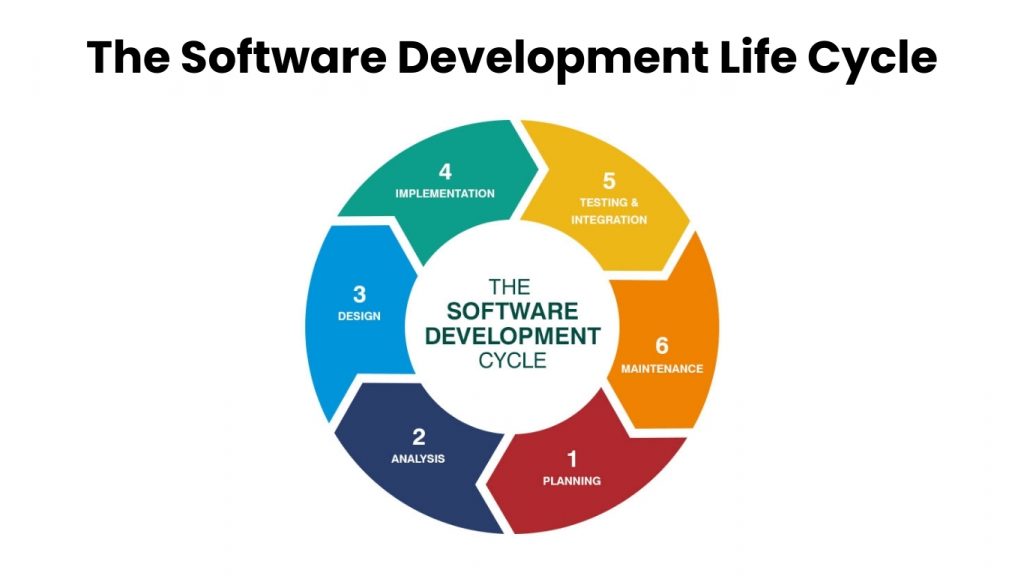
6 basic steps of the software development process
Understanding the core stages of software development is essential for building reliable, scalable, and high-performing applications. The 6 basic steps of the software development process provide a structured framework that helps teams reduce risks, improve quality, and deliver products that meet business and user needs. Let’s explore how each step contributes to a successful software project.
Step 1: Requirement gathering and analysis
In this initial stage, project stakeholders (clients, end users, business analysts, and developers) work together to collect and clarify all requirements for the software. This phase defines what the system must achieve before any design or development begins.
Key activities include:
- Identifying what the software should do
- Defining who will use the system
- Listing desired features and functionalities
- Outlining constraints (technical, business, regulatory)
- Documenting non-functional requirements, such as:
- Performance
- Security
- Scalability
- Usability
- Reliability
The outcome is a Software Requirements Specification (SRS) document, which serves as the foundation for architecture design, development planning, and testing.

Step 2: Design & Architecture
Once requirements are approved, the design phase translates them into a structured technical blueprint for developers.
Key design outputs include:
- High-level design:
- System architecture
- Main modules and components
- Data flow and communication
- Low-level design:
- Detailed component behaviors
- Database schema
- APIs, classes, and interfaces
- User interface (UI) and user experience (UX) layouts
This step ensures that all components fit together logically and align with the project’s technical goals.
Step 3: Coding (Implementation)
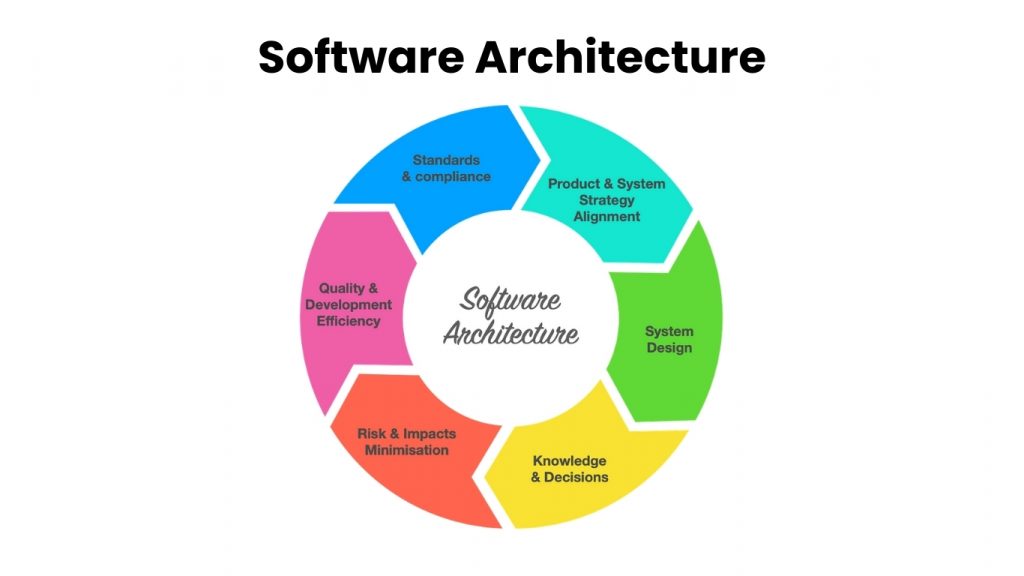
With the architecture finalized, developers begin writing the actual source code. This is typically the longest phase of the SDLC.
Key tasks during coding include:
- Writing clean, maintainable code based on design documents
- Using appropriate programming languages and frameworks
- Integrating:
- Front-end
- Back-end
- Middleware
- Databases
- Applying coding standards and best practices
- Using development tools such as:
- Version control (Git)
- Debuggers
- Compilers
- CI/CD pipelines
This phase transforms design specifications into a functional software product.
>>> See more:
- Custom Software Development in Ho Chi Minh City – Professional, Multi-Platform Solutions
- Custom Software Development in Hanoi – Professional and Affordable Solutions

Step 4: Testing & Quality Assurance
After coding, the software undergoes thorough testing to ensure it works correctly, aligns with requirements, and is free of defects.
Common testing activities include:
- Unit testing (testing individual components)
- Integration testing (verifying combined modules)
- System testing (overall behavior)
- User Acceptance Testing (UAT) with real users
- Non-functional testing, such as:
- Performance
- Security
- Usability
- Load and stress testing
Bugs are logged, fixed, and retested until the software meets quality and performance standards.

Step 5: Deployment & Release
Once the software passes testing, it is deployed to the production environment and delivered to end users.
Typical deployment tasks include:
- Setting up servers and a hosting environment
- Configuring databases and backend services
- Migrating or syncing the necessary data
- Choosing a deployment strategy, such as:
- Staging → Production
- Blue/green deployment
- Rolling updates
- Monitoring the live release for stability
Deployment may occur in phases for large or complex systems.
Step 6: Maintenance & Support
After launch, the software enters the maintenance phase to ensure long-term performance, security, and user satisfaction.
Key maintenance activities include:
- Fixing bugs discovered in real-world use
- Releasing patches and updates
- Adding enhancements or new features
- Improving performance and optimization
- Ensuring compatibility with new devices, browsers, and OS versions
- Applying regular security updates and monitoring
This step keeps the software reliable and adaptable as business needs evolve.

Benefits of Following the 6-Step SDLC Process
Implementing a structured 6-step Software Development Life Cycle brings clarity, discipline, and efficiency to development teams. It reduces the risk of miscommunication, improves output quality, and enables better long-term decision-making across architecture, resource planning, and product scalability. Clear documentation, continuous testing, and post-release maintenance ensure the software remains stable and relevant to user needs over time.
Improved software quality
By progressing through defined stages from requirement analysis to testing and maintenance, teams catch defects early, validate functionality continuously, and ensure that every feature is built intentionally. The SDLC encourages code reviews, QA testing, documentation, and iterative refinement, ultimately leading to more robust, secure, and user-friendly applications.
Better alignment with business goals
A structured development process ensures that stakeholder expectations, user needs, and technical decisions remain synchronized from start to finish. Requirements are clarified before coding begins, reducing misunderstandings and rework later. As a result, the final product is more likely to support business objectives, improve workflow efficiency, and deliver measurable value to the organization.
More predictable schedules & budgets
The SDLC provides a roadmap that helps teams estimate resources, timelines, and development costs more accurately. Because each step has clear deliverables, companies can track progress, forecast risks, and allocate budgets with confidence. Predictability reduces financial waste, accelerates launch planning, and improves overall project management reliability.
>>> Read more:
- Mobile App Design Development: The Complete Guide for Designers
- Mobile App Development Project Plan: Guide to Build a Successful App in 2025
- How Much Does E-Commerce Mobile App Development Cost in 2025?
Software Development Process Models
Different projects require different development approaches. Software Development Lifecycle models guide how tasks flow between stages, how teams collaborate, and how often release cycles occur. Choosing the right model depends on business requirements, project scale, team structure, and flexibility needs.
Waterfall Model
The Waterfall model is a traditional, linear software development approach where each phase must be fully completed before the next begins. It relies heavily on documentation and is most effective when project requirements are stable and clearly defined from the start.
Key Characteristics
- Sequential, step-by-step workflow
- Strong emphasis on documentation
- Minimal flexibility for changes once development begins
- Clear milestones and defined deliverables
- Easy to manage due to structured phases
Benefits
- High predictability in timeline and budget
- Simple and easy to understand
- Ideal for teams that prefer strict processes
- Strong project control and detailed documentation
Suitable for
- Government or enterprise projects with fixed requirements
- Projects with well-defined scopes and minimal expected changes
- Teams following strict compliance or regulatory standards

Agile Methodology
Agile is an iterative, collaborative, and highly flexible development approach. Instead of one large release, Agile teams work in short cycles (sprints) to deliver continuous improvements based on ongoing customer feedback.
Key Characteristics
- Iterative development with frequent releases
- Strong collaboration between stakeholders and developers
- Ability to adapt quickly to changing requirements
- Continuous testing and improvement
- Customer-centric approach
Benefits
- Faster delivery of functional features
- Reduced risk through constant feedback
- Improved product quality via continuous testing
- Highly adaptive to market or business changes
Suitable for
- Startups and dynamic projects with evolving needs
- Teams requiring rapid iteration and innovation
- Products needing continuous updates or user-driven changes
>>> Explore more:
- Website Design Cost for a Transparent Full-Package Quote in 2025
- Create a Free Online Store Website: A Quick, Detailed, and Effective Guide
- Restaurant Website Design — Professional, Modern 2025

Scrum Framework
Scrum is a widely used Agile framework that divides development into short sprints (1–4 weeks). It emphasizes transparency, team collaboration, and frequent reassessment to ensure continuous improvement.
Key Characteristics
- Defined roles: Product Owner, Scrum Master, Development Team
- Daily stand-up meetings
- Sprint planning, sprint reviews, and retrospectives
- Incremental delivery of functional features
- High visibility of progress through sprint boards
Benefits
- Faster and more adaptive development cycles
- Improved communication and teamwork
- Quick identification and resolution of issues
- Enhanced ability to respond to real-time feedback
Suitable for
- Startups need speed and flexibility
- Complex projects where priorities shift frequently
- Teams aiming for tight collaboration and rapid delivery

Iterative and Incremental Model
This model combines repeated development cycles (iterations) with incremental feature additions. Each iteration improves the software based on evaluation and real-user feedback.
Key Characteristics
- Software grows through small, functional increments
- Repeated cycles allow early issue detection
- Stakeholders can review working versions early
- High flexibility in adding or modifying features
Benefits
- Reduced project risk
- Improved product quality through frequent testing
- Faster time-to-market with usable early versions
- Better alignment with user expectations
Suitable for
- Medium to large projects requiring continuous evolution
- Products that depend heavily on user feedback
- Teams need a balance between structure and flexibility
>>> Read more:
- Top 12 Web Design Agencies in Vietnam (2025) – Trusted & Professional
- Top 10 Web Agency Offshore Companies for Global Businesses (2025)
- Top 15 Best Web Design Companies in Ho Chi Minh City (2025)

Prototyping Development Model
The Prototyping model focuses on creating preliminary versions of the software to help stakeholders visualize features, refine requirements, and confirm expectations before full development begins.
Key Characteristics
- Early creation of prototypes or mockups
- Heavy involvement from end-users and stakeholders
- Iterative refinement of features and UI/UX
- Encourages experimentation before coding starts
Benefits
- Reduces misunderstandings and requirement gaps
- Prevents costly rework during development
- Enhances stakeholder satisfaction by aligning early expectations
- Helps validate ideas before committing to a full-scale build
Suitable for
- Projects with unclear or evolving requirements
- UX/UI-heavy applications
- Businesses want to validate concepts before investing heavily

Frequently Asked Questions (FAQs)
Why is understanding the SDLC important in software development?
Understanding the SDLC helps teams manage projects efficiently and reduce risks. It ensures every stage, including planning, development, testing, and deployment, is carried out systematically for better results.
What happens during the software development planning process?
The planning phase defines the scope, required resources, timeline, risk factors, and expected deliverables of a project. Stakeholders analyze requirements, estimate effort, and decide on the most appropriate development model. A well-built plan guides all technical decisions and keeps the project aligned with business goals.
What are the different models of the software development process?
Popular SDLC models include Waterfall, Agile, Scrum, Iterative & Incremental, and Prototyping. Each model offers a different approach to execution, documentation, timelines, and flexibility. The right model depends on project complexity, requirement stability, and the rate of product evolution.
How does the software development process flow work?
Most development workflows follow six foundational phases: requirement gathering, design, implementation, testing, deployment, and maintenance. Work moves step-by-step or iteratively depending on the SDLC model chosen. The process repeats as needed to improve performance, fix issues, and release new features over time.
A clear understanding of the 6 basic steps of software development process helps businesses build software more efficiently and with greater confidence. By following a structured approach—from planning and analysis to deployment and maintenance, you can reduce risks, improve quality, and ensure long-term scalability. Whether you’re developing a simple app or a complex enterprise system, this framework keeps your project on track. To maximize results, partner with a team that applies these steps with precision and industry best practices. With the right guidance, your software project can move from concept to completion smoothly and successfully.
For organizations seeking expert support in mobile app design and high-quality application development, TOT serves as a trusted partner, providing comprehensive end-to-end solutions from the initial concept through to a successful launch.
TOT is a pioneer in the digital transformation journey. We deliver website design, mobile app development, and custom software solutions with flexible services tailored to each business’s exact needs.
Inspired by the philosophy of “Technology for People,” TOT empowers businesses to operate more efficiently, elevate customer experiences, and build a lasting brand impression.
TopOnTech (TOT) Contact Information:
🌐 Website: https://topon.tech/en/
📞 Hotline/WhatsApp/Zalo: (+84) 906 712 137
✉️ Email: long.bui@toponseek.com
🏢 Address: 31 Hoang Dieu Street, Ward 12, District 4, Ho Chi Minh City, Vietnam